
The Great Disgust and Its Overcoming
Thus Spoke ZarathustraThis flow traces Zarathustra’s recurring disgust with humanity as a crisis that threatens affirmation and is answered through work, laughter, and future creation.
increasing Bearing strength in each event
 decreasing
Bearing strength in each eventdecreasingHumanity as a Polluted River

Humanity as a Polluted River
A demand for greater strength
Zarathustra describes humanity as a polluted river that requires a sea capable of receiving it without being defiled. The image makes the present human condition a challenge rather than a final verdict.
The Superman as capacity
The Superman represents a form of life able to overcome and transform what currently appears contemptible. The teaching turns disgust toward a future task.
The Present as Fragmented
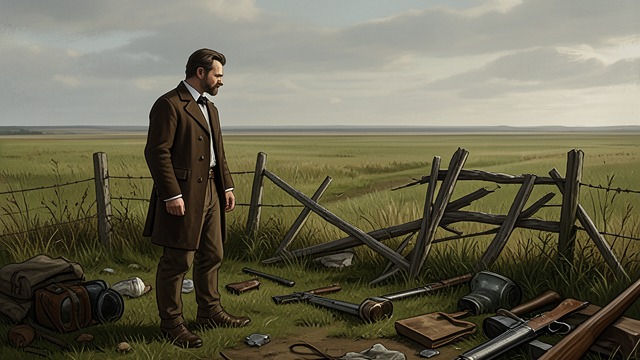
The Present as Fragmented
No finished humanity found
Zarathustra sees people as scattered fragments, limbs, and unfinished possibilities. The present and past appear intolerable because they do not yet form a whole.
The seer looks ahead
He endures the fragments by imagining a future that could compose them. Creation becomes a response to disgust rather than an excuse to turn away from humanity.
The Smallness of the Best
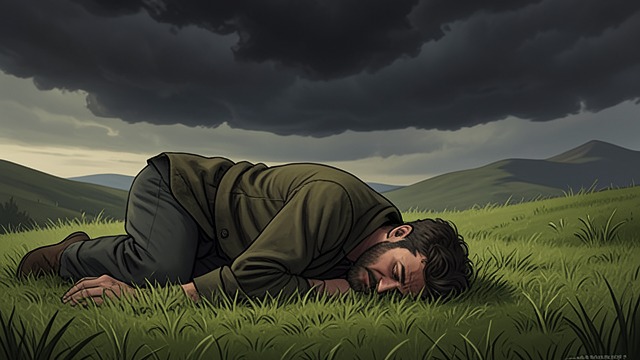
The Smallness of the Best
Disgust returns as a thought
Zarathustra is overwhelmed by the thought that even the greatest human being remains too human and too small. Recurrence threatens to repeat this inadequacy without end.
The crisis becomes illness
The great disgust chokes him and leaves him unable to rise. The episode shows how deeply his hope depends on the possibility of a future beyond present humanity.
Small Virtues Criticized
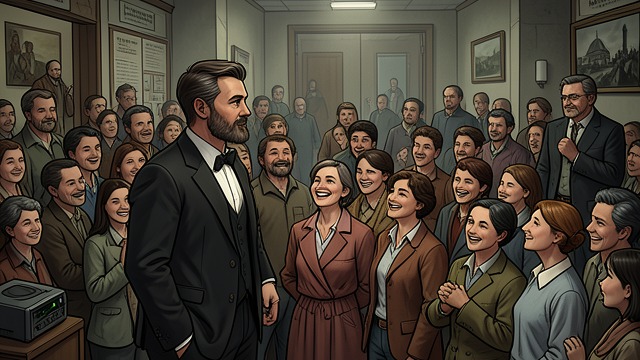
Small Virtues Criticized
Ease becomes a moral ideal
Zarathustra sees people praising modest virtues that promise comfort, safety, and avoidance of danger. Their moral language makes diminished expectations appear sufficient.
Disgust becomes a diagnosis
His criticism focuses on how social ideals can shrink human possibility. The target is not every ordinary kindness, but a culture that makes smallness its measure of goodness.
Work Beyond Pity

Work Beyond Pity
The Higher Men remain incomplete
Zarathustra sees that the visitors’ need cannot determine the goal of his life. Their distress matters, but it does not make them the future he awaits.
Affirmation returns as action
The lion’s sign releases him from the final temptation of pity. He leaves for his work, placing creation and future hope above the wish to rescue the present from every discomfort.
Early in Part One, during the marketplace sermons
Part Two, during Of Redemption
Part Three, during Zarathustra’s convalescence
Part Three, during Of the Virtue That Makes Small
At the final departure from the cave
